How to avoid gambling scams online
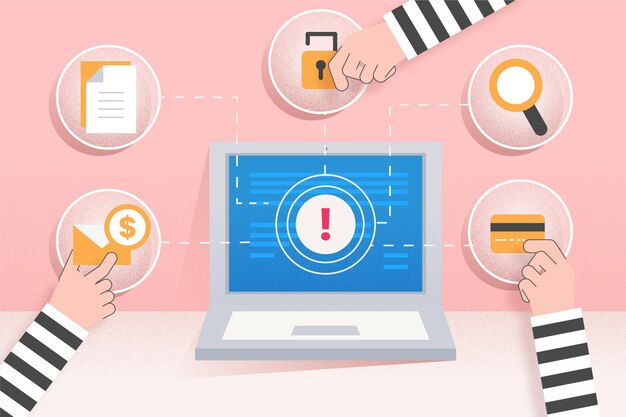
Check the licensing information of any online gambling platform before signing up. Reliable sites provide their licensing details prominently. Use trusted sources like government regulatory websites to verify authenticity.
In the world of online gambling, ensuring a safe experience requires vigilance and informed decision-making. Begin by verifying the licensing of a gambling site, as legitimate platforms will clearly display their credentials. Additionally, reading player reviews on resources such as AskGamblers can provide valuable insights into a site's reliability. Pay careful attention to terms and conditions, especially regarding bonuses and withdrawal limits. Implementing security measures, like two-factor authentication and using a VPN, can further protect your personal data. Safeguard your online gambling experience by following best practices and staying informed about potential scams. For further details, check out casino-gran-madrid.com.
Look for independent reviews and player feedback. Websites such as AskGamblers and Casino.org offer honest insights that can help you gauge a site's reputation.
Always read the terms and conditions carefully. Pay special attention to withdrawal limits, bonus requirements, and privacy policies. If something seems unclear or misleading, consider that a red flag.
Enable two-factor authentication when available. This adds an extra layer of security to your account, making it harder for scammers to access your information.
Stay informed about common scams. Knowing tactics used by fraudsters can help you identify suspicious activity early. Check resources like Scamwatch for the latest alerts and advice.
Trust your instincts. If a deal seems too good to be true or if the site feels unprofessional, it’s better to walk away. Safeguarding your money should always come first.
By taking these steps, you can significantly reduce your risk and enjoy your online gambling experience safely.
Identify Common Types of Online Gambling Scams
Spotting common online gambling scams arms you with tools to protect your money. Here are some prevalent types and how to recognize them:
- Phishing Scams: Scammers send emails pretending to be legitimate gambling websites, asking for personal information. Look for poor grammar, generic greetings, and suspicious links.
- Rigged Games: Some sites offer rigged online games that lack fairness. Research the platform and read reviews to confirm its legitimacy.
- Fake Bonuses: Many sites advertise bonuses that are impossible to redeem. Always read the fine print related to any promotional offer.
- Imposter Sites: These mimic legitimate gambling sites. Verify the site’s URL carefully, and check for security indicators like HTTPS and authority verification.
- Withdrawal Scams: Scams arise when players cannot withdraw their winnings due to fabricated fees or conditions. Research payout protocols before making deposits.
Awareness is key. Keep an eye out for these scams while enjoying online gambling, and trust only licensed and regulated platforms.
Recognize Red Flags When Choosing a Gambling Site
Check for proper licensing. Ensure the site holds valid licenses from recognized authorities. A legitimate operator will display this information prominently.
Examine payment options. If the site offers only obscure payment methods or requests unusual payment processes, it's a warning sign. Reputable sites provide a variety of trusted payment options.
Review customer feedback. Look for recent reviews to gauge user experiences. If you find numerous complaints about withdrawal issues or lack of support, consider it a red flag.
Evaluate site security. Confirm that the platform uses strong encryption technology to protect your personal and financial data. Look for HTTPS in the URL as a basic security measure.
Beware of unrealistic bonuses. If a bonus seems too good to be true, it likely is. Always read the terms and conditions attached to promotions and understand the wagering requirements.
Watch out for aggressive marketing tactics. When the site bombards you with unsolicited messages or pushy advertisements, it's a sign of potential scams. Trustworthy sites respect user boundaries.
Assess the site's transparency. Reliable operators provide clear information on their policies, including responsible gambling practices and how they handle disputes. Lack of transparency can indicate a risk.
Look into customer support options. A reputable gambling site will have accessible support channels. Test their responsiveness before committing by asking a simple question.
Prioritize reputable platforms. Stick to sites with a long-standing presence in the industry. New or unknown sites may carry more risks than established ones.
Implement Security Tools to Safeguard Your Information
Use a trusted VPN to encrypt your internet connection. This shields your data from potential snoopers and hackers, ensuring your online activities remain private.
Activate two-factor authentication (2FA) on all accounts where it's available. This adds an extra layer of security, requiring a second form of verification beyond just a password.
Install high-quality antivirus software to detect and eliminate malware threats. Regularly update this software to protect against new vulnerabilities.
Utilize a password manager to create and store complex passwords for your accounts. Stronger passwords reduce the risk of unauthorized access.
Regularly backup your data to an external drive or a reliable cloud service. This ensures that you can restore your important files in case of a cyberattack.
Monitor your financial statements and credit reports frequently. Promptly report any suspicious activity to mitigate potential losses.
Educate yourself about phishing scams and other social engineering tactics. Being aware of these threats can prevent you from falling victim to fraud.
Limit the personal information you share online. Adjust privacy settings on social media platforms to control who can view your information.
Review and update your security measures regularly. Security tools and practices evolve, just like threats, so staying informed will keep you protected.
Understand Legal Rights and Resources for Victims
If you find yourself a victim of online gambling scams, it’s crucial to know your legal rights and available resources. Take the following steps to protect yourself and seek justice.
- Document Everything: Keep records of all communications, transactions, and any evidence related to the scam. Screenshots, emails, and transaction IDs can be invaluable.
- Report the Scam: File a complaint with local law enforcement. Many jurisdictions have units that specialize in cybercrime. Reporting helps law enforcement track trends and identify repeat offenders.
- Contact Regulatory Bodies: Reach out to relevant gambling commissions or regulatory authorities. They can provide guidance on next steps and may take action against fraudulent operators.
- Seek Legal Advice: Consult with a lawyer who specializes in consumer protection or online fraud. They can help you understand your options for filing a lawsuit or pursuing compensation.
Accessing support resources can also provide assistance:
- Consumer Protection Agencies: Many countries have consumer protection agencies that offer resources for victims of scams. Reach out to them for guidance and support.
- Online Forums and Support Groups: Connecting with others who have experienced similar scams can be helpful. Look for online communities where you can share your experiences and gain insights.
- Financial Institutions: If you used a credit card or bank transfer, contact your financial institution immediately. They might be able to reverse the transaction or offer additional assistance.
Your rights as a victim are important, and taking action is a step toward reclaiming control. Don't hesitate to use these resources and seek legal support to ensure your case is handled effectively.
Learn How to Report Online Gambling Scams
Gather all relevant information about the scam, including website links, emails, and any communication records. This information is crucial for reporting.
Visit the appropriate online platforms to report the scam. For instance, file a complaint on the Federal Trade Commission (FTC) website and the Internet Crime Complaint Center (IC3). These agencies specialize in handling online fraud cases.
If the scam occurred on social media, report it directly on the platform. Most social networks have dedicated processes for reporting fraudulent behavior.
Consider notifying your bank if you provided any financial information. They may help secure your accounts and prevent further unauthorized transactions.
Share your experience on online forums or consumer advocacy groups. This can alert others and help them avoid similar situations.
Stay informed about local laws regarding online gambling. Knowing your rights can guide you in taking appropriate action and seeking redress.
By taking these steps, you contribute to the fight against online gambling scams and protect others in the community.
Stay Informed with Latest Trends in Gambling Scams
Monitor online gambling forums and social media groups for real-time updates on emerging scams. Engaging with these communities can provide firsthand accounts and warnings from other users.
Examine advertised offers carefully; scams often lure users with unrealistic bonuses or guaranteed wins that are too good to be true. Verify any new gambling platforms you come across by checking user reviews and industry ratings.
Stay alert to phishing attempts. Scammers often impersonate legitimate sites, so always check URLs for inconsistencies before entering personal information. Use multi-factor authentication whenever possible to enhance your account security.
| Common Scam Types | Signs to Watch For | Preventive Measures |
|---|---|---|
| Fake Gambling Sites | Unlicensed operation, poor website design | Research licenses and certifications |
| Bonus Scams | Excessive bonus offers, hidden terms | Read the fine print before claiming bonuses |
| Phishing Emails | Generic greetings, urgency in requests | Verify senders before clicking links |
Subscribe to reputable gambling news sites for expert insights into the latest fraudulent activities. These resources often provide analysis and tips to help you avoid falling victim to scams.
Report any suspicious activity to relevant authorities or consumer protection agencies. This action can help protect others from similar scams while also improving overall online safety.